Dog Walking on His Bum? Causes, Signs & Vet Advice
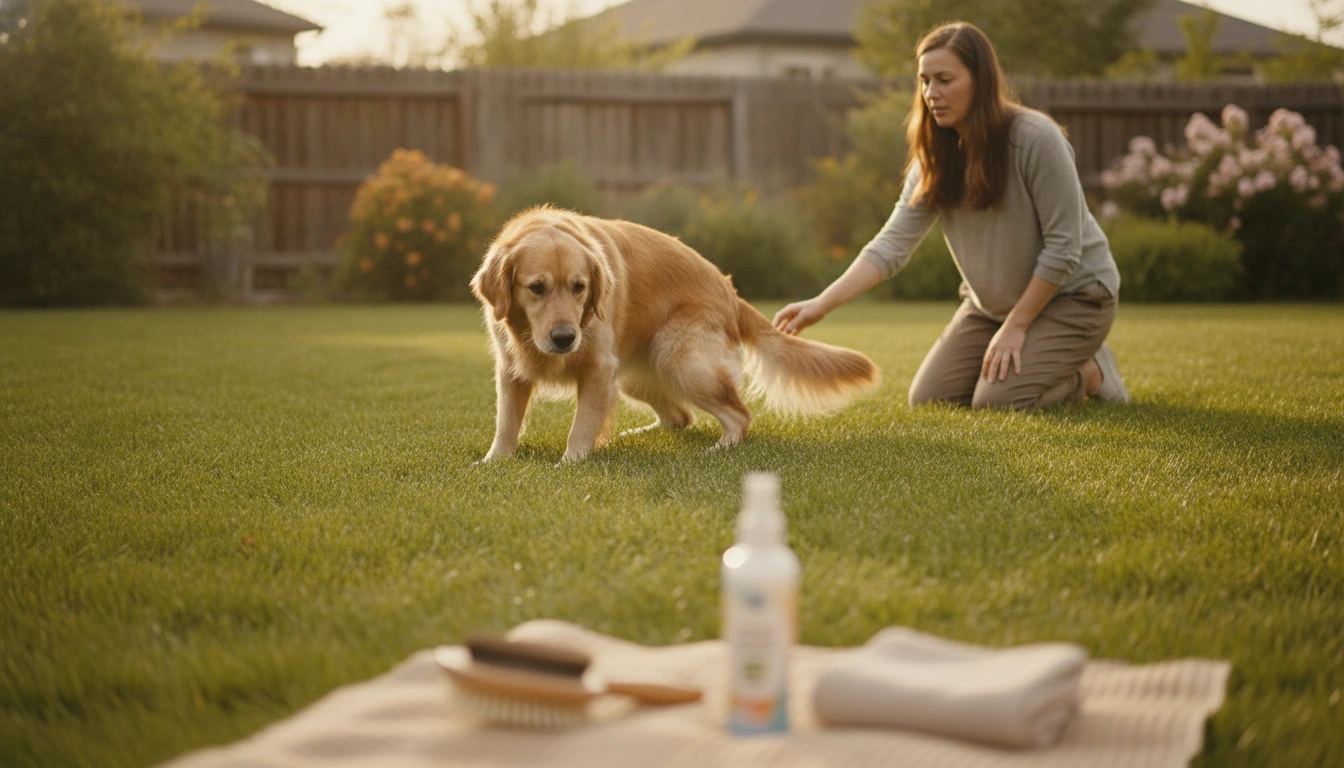
Why is my dog walking on his bum?
When a dog “bum scoots” (dragging their rear end across the floor), it’s usually a sign that something around the anus or tail base feels itchy, irritated, or uncomfortable. Some dogs do it once after a bowel movement and never again. If it keeps happening, there’s typically a medical reason worth addressing—especially if you notice licking, a bad odor, redness, swelling, or pain.
Most common reasons for bum scooting
Anal gland issues
Full, impacted, or infected anal sacs are one of the top causes. Dogs may scoot, lick the area, chase their tail, or seem uncomfortable sitting. If the glands are very full or infected, the area can become tender and smelly.
Skin irritation or allergies
Environmental or food allergies can cause itchiness around the rear, plus paws or ears. You might see redness, frequent licking, or recurring skin problems. Fleas can also trigger intense itching near the tail base.
Worms or parasites
Tapeworm segments can irritate the anus and may look like small white “rice” pieces near the rear or in stool. Other intestinal parasites can also contribute to discomfort and scooting.
Stool and digestive problems
Diarrhea, soft stool, or constipation can irritate the area and may prevent normal anal gland emptying. If your dog is straining, has mucus/blood in stool, or has frequent accidents, it’s time to check in with a vet.
Matting or debris
In long-haired dogs, feces stuck in the fur or mats around the anus can pull on skin and cause scooting. Gentle cleanup and regular grooming can help prevent repeat episodes.
When to call the vet
Contact a veterinarian promptly if scooting happens repeatedly, your dog seems painful, you see swelling or discharge, there’s a strong fishy smell, or symptoms come with vomiting, diarrhea, or lethargy. For a deeper walkthrough of causes and next steps, visit the main guide here.
FAQ
What does it mean when a dog is scooting but has no worms?
Worms aren’t the only cause—anal gland problems, allergies, skin irritation, or leftover stool around the anus are common triggers. If it’s frequent, a vet exam can pinpoint the source and rule out infection.











Leave a comment